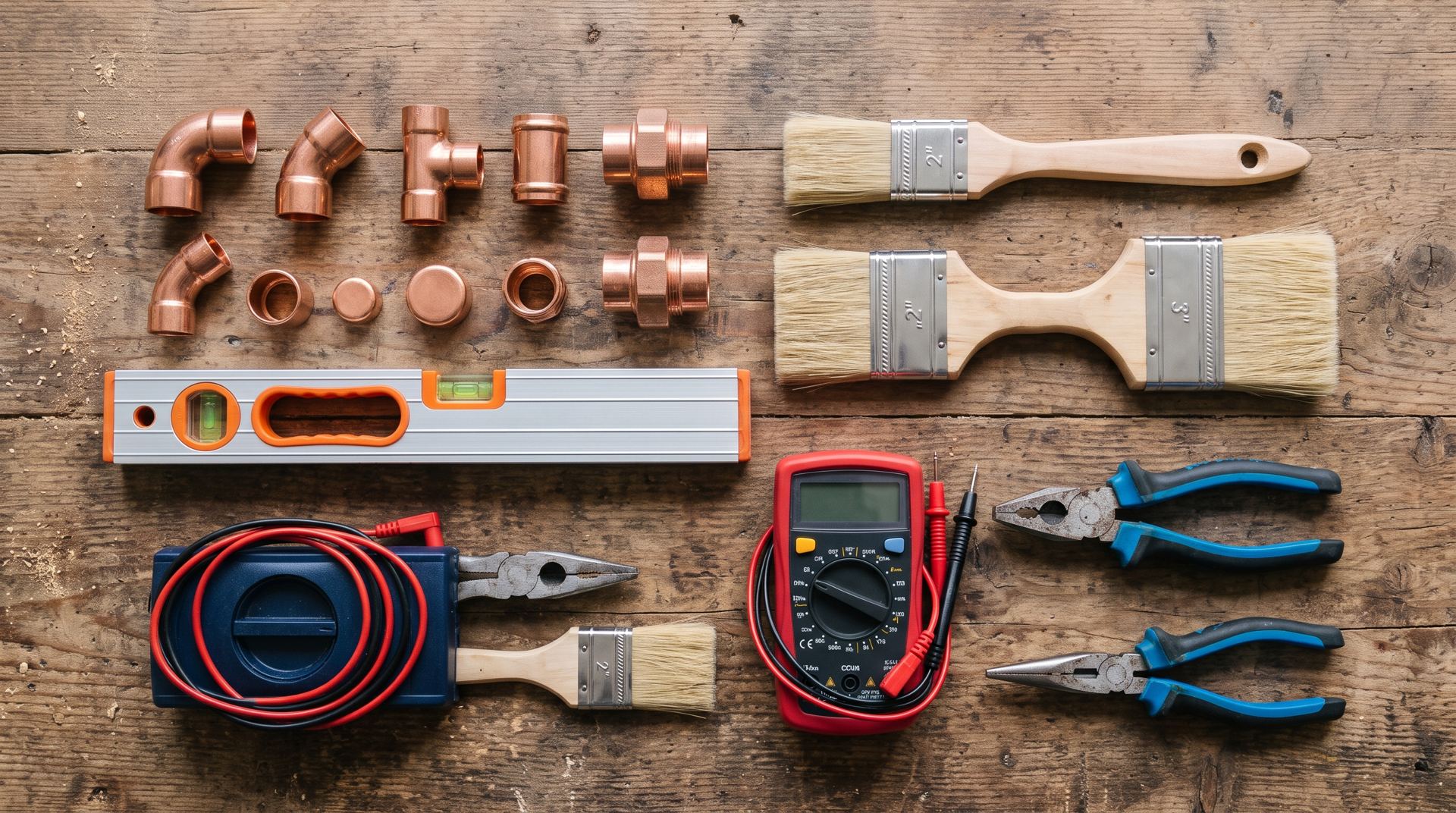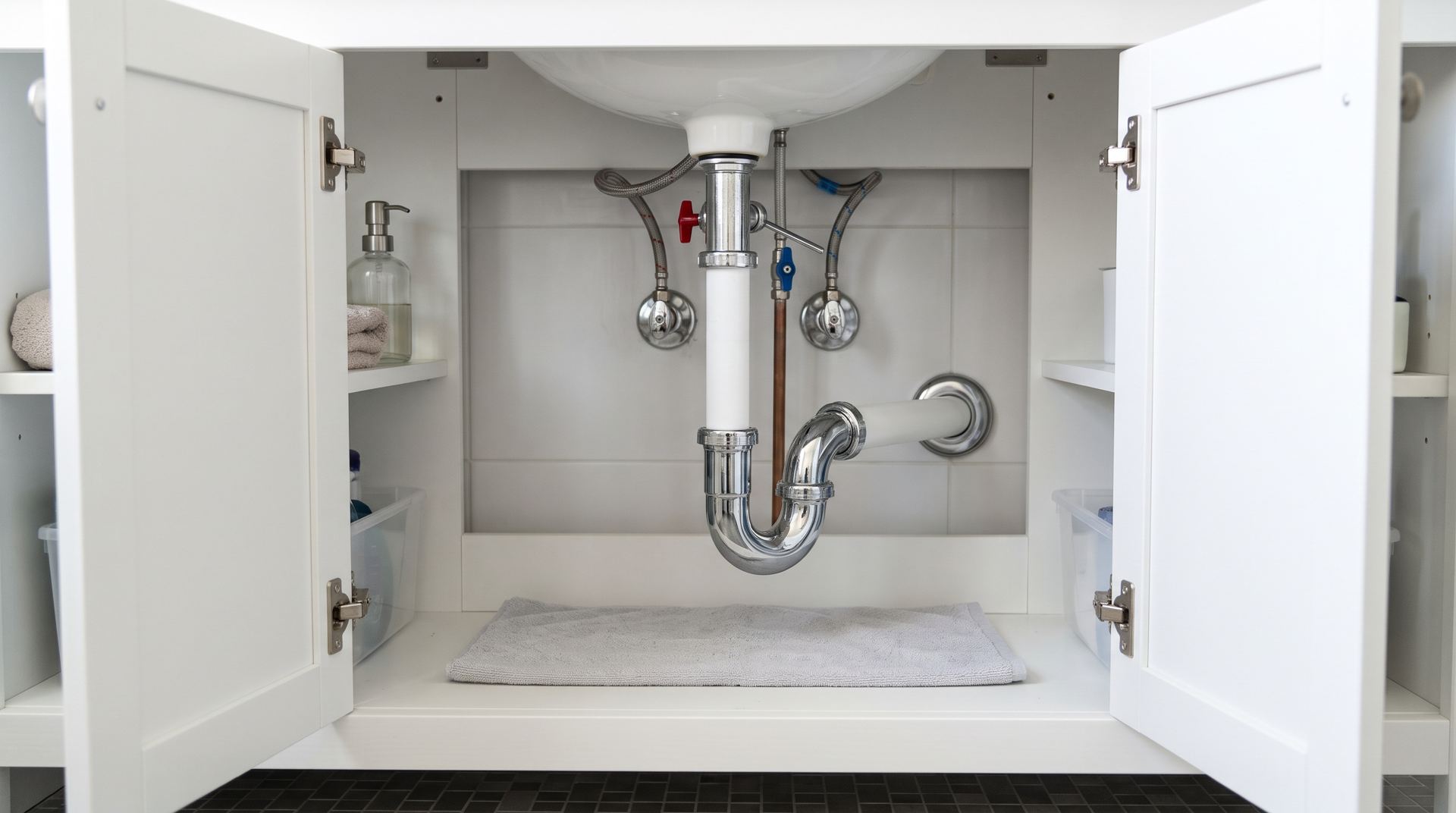
For landlords and property managers, maintenance tends to happen reactively — something breaks, a tenant complains, you scramble for a tradesperson. A planned approach is cheaper, less stressful, and keeps good tenants happy. Here’s what a sensible maintenance plan covers.
Plumbing
- Checking for leaks, dripping taps and running toilets that waste water and money.
- Servicing hot water systems before they fail.
- Keeping drains and gutters clear to prevent blockages and water damage.
Electrical
- Testing safety switches and smoke alarms, and keeping records.
- Checking for warm or discoloured outlets and other early warning signs.
- Making sure the property has adequate, safe electrical capacity.
The building itself
- Addressing small repairs — cracked plaster, sticking doors, worn seals — before they become big ones.
- Checking for damp, mould and ventilation issues.
- Keeping exterior and wet areas weather-tight.
Why it pays off
- Cheaper overall. A serviced hot water unit or a cleared drain costs far less than an emergency replacement or water damage.
- Happier tenants. A well-maintained property keeps good tenants longer and reduces turnover.
- Protects the asset. Small problems left alone become structural ones.
- Fewer 11pm emergencies. Catching issues on a schedule beats reacting to them at the worst time.
One team is simpler
The practical advantage of using a team that covers plumbing, electrical and general maintenance is that one provider can look after the whole property — fewer contractors to coordinate, consistent records, and someone who knows the property’s history. For a managed portfolio, that’s a real time-saver.
Related reading: Exterior paint is protection, not decoration — once it fails, the material underneath is next. See when an exterior repaint should be scheduled in Melbourne and what exterior painting involves.