Waking up to no hot water is grim, especially in winter. Before you assume the worst, a few quick checks sometimes get it going again — and if they don’t, they help the plumber fix it faster.
If you have a gas system
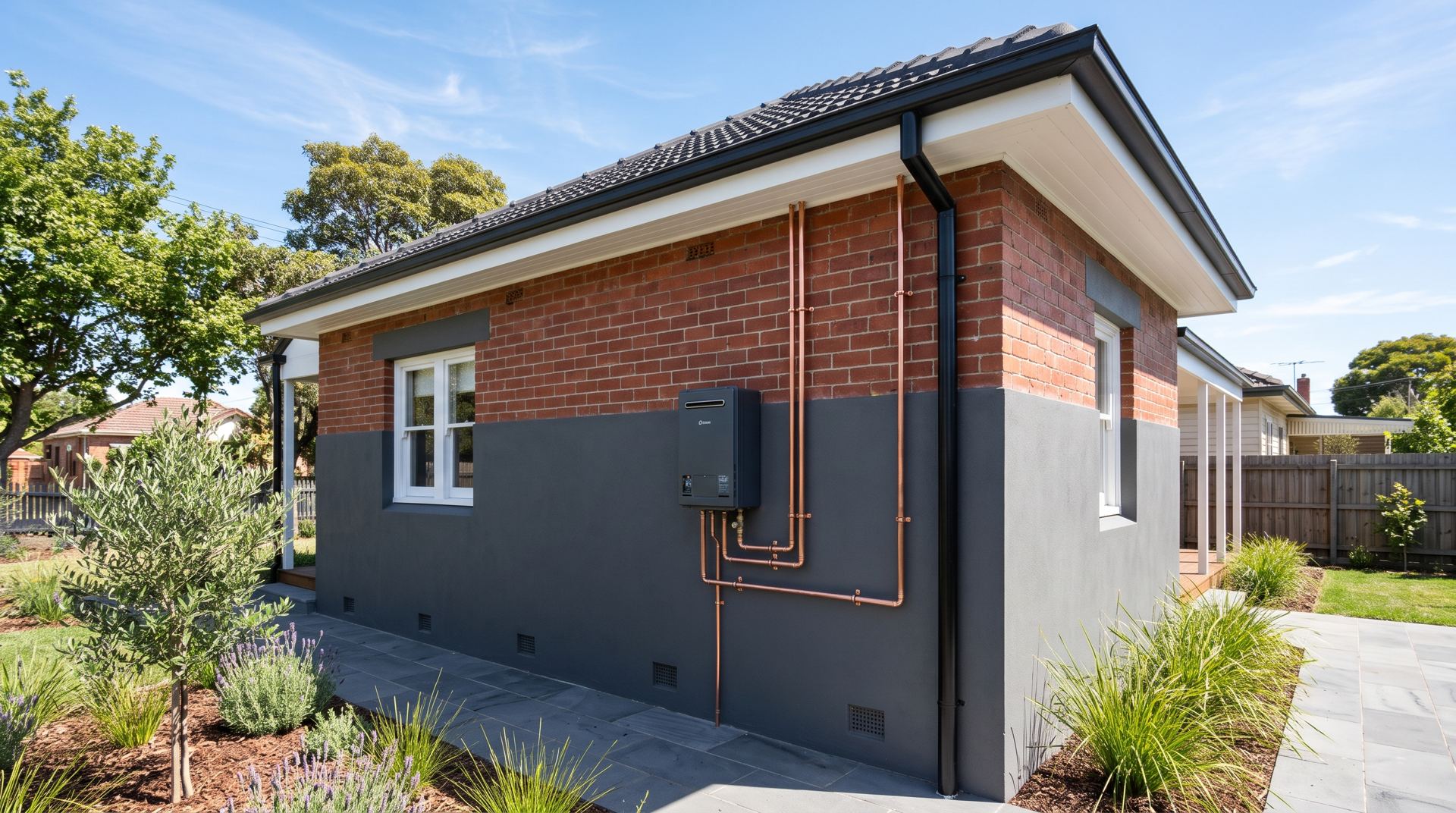
- Check the pilot light (on older units). If it’s out, follow the relighting instructions on the unit. If it won’t stay lit, that’s one for a licensed plumber.
- Check the gas supply. Is gas working elsewhere in the house — the cooktop, for instance? If nothing gas is working, the issue may be the supply, not the unit.
- Look for an error code on continuous-flow units. Note it down — it tells the plumber a lot before they even arrive.
If you have an electric system
- Check the switchboard. A tripped circuit breaker is a common, simple cause. Reset it once — if it trips again, stop and call an electrician or plumber, because something’s faulting.
- Check it’s actually switched on. Off-peak systems and isolation switches sometimes get knocked off.
For any system
- Look for leaks. Water pooling around the unit means it likely needs repair or replacement — switch it off and call a plumber.
- Lukewarm, not cold? That often points to a failing element, thermostat or a system that’s simply reaching the end of its life.
When to call
If the quick checks don’t restore hot water — or you find a leak, a breaker that keeps tripping, or a pilot that won’t stay lit — it’s time for a professional. Gas work in particular must be done by a licensed plumber. If your system is old and this is the latest in a string of problems, it may be more economical to replace it than to keep repairing it.